
CAT: Comfort-based Accessibility Tool
CAT (Comfort-based Accessibility Tool) under the InclusiveSpaces Project helps you explore walkable areas not only by time and speed, but also by perceived comfort factors, such as noise, lighting, crossings, tactile paving, tree shade, and more. Pick a start point, tune what matters to you, and see how the reachable area changes.
City Viewer →
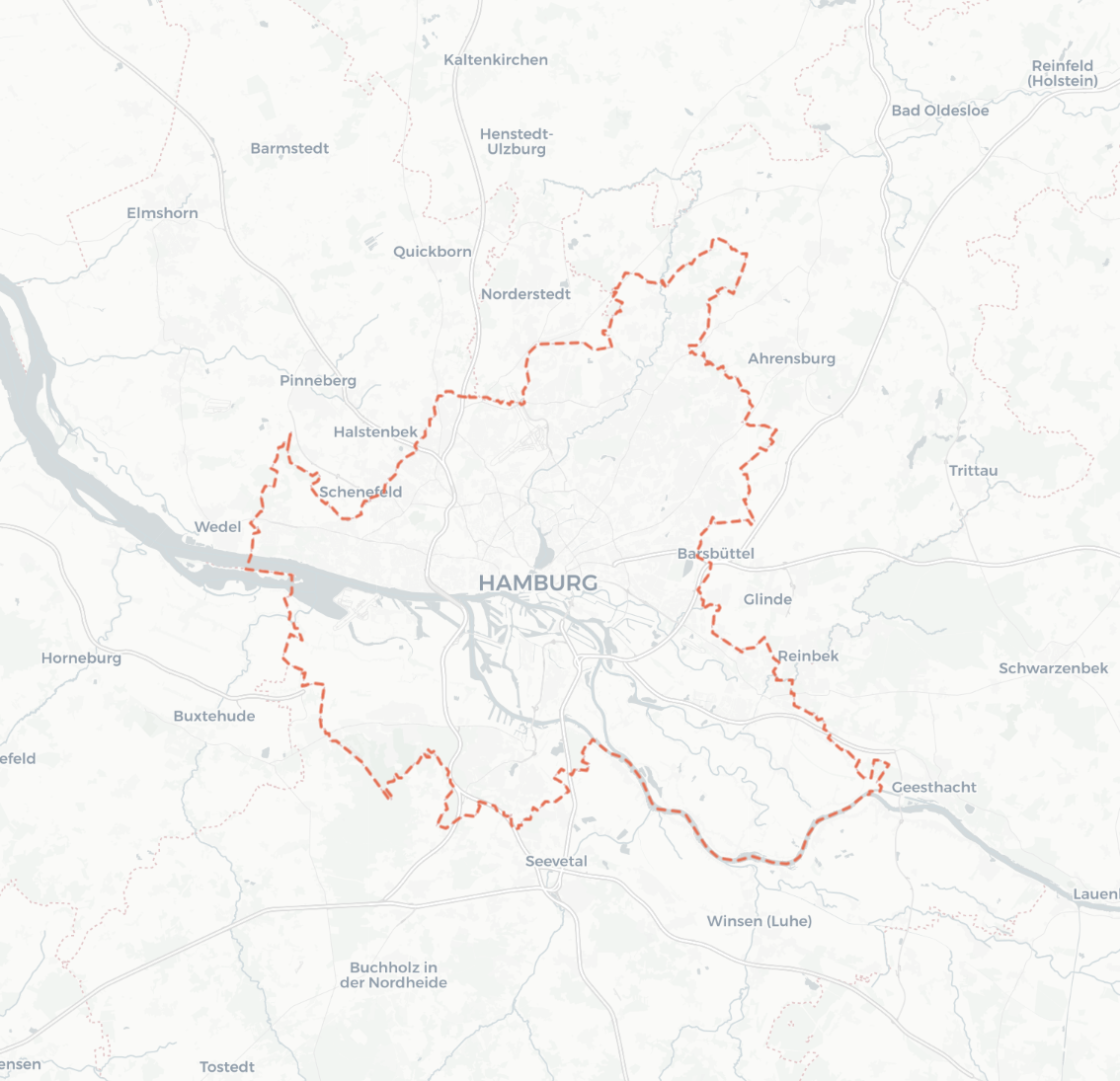
Germany’s second-largest city, Hamburg combines historic port landscapes with diverse, walkable urban districts and advanced public transport.
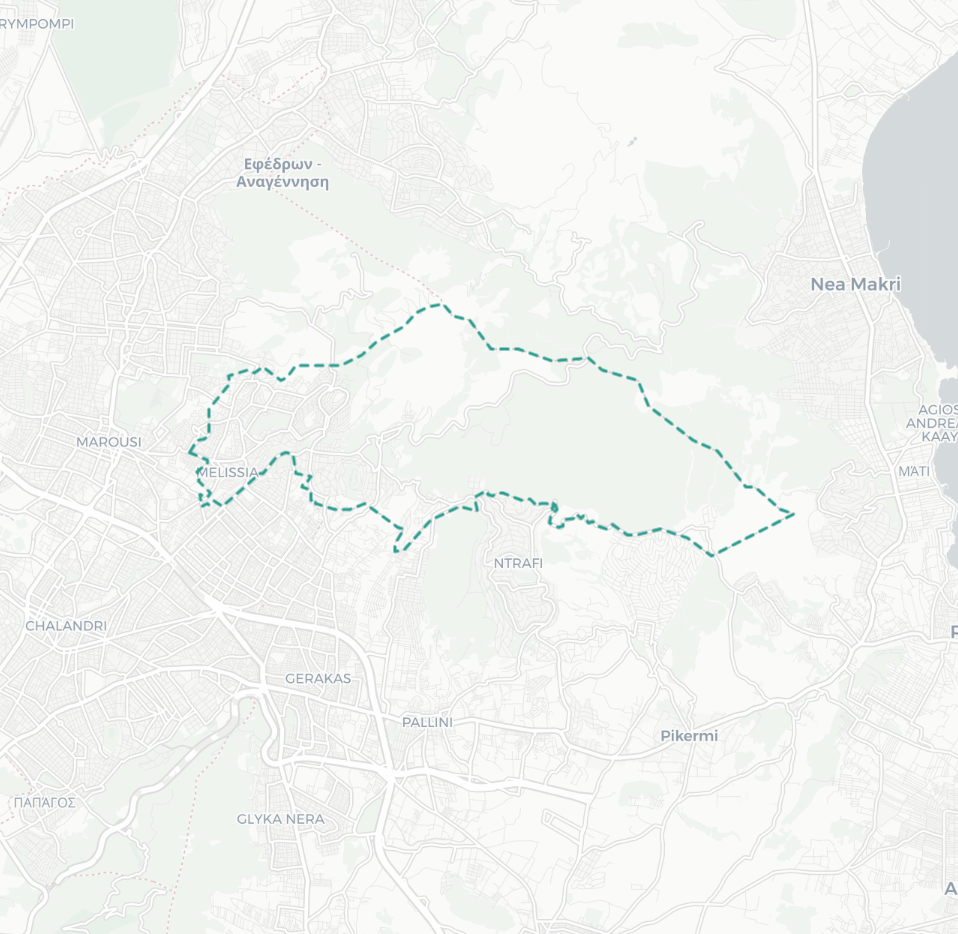
Overlooking Athens, Penteli features green residential areas and hilly terrain, shaping its unique accessibility and urban mobility.
About 
The Comfort-Based Accessibility Tool (CAT) was developed at the Technical University of Munich to support data-driven, people-centered urban planning. Using information from literature and interviews with planning experts and people with limited mobility capabilities, the tool offers a comprehensive approach to visualizing comfort-based accessibility.
CAT integrates travel time, walking speed, and a range of comfort factors to generate dynamic, personalized comfort-based accessibility analyses and isochrone maps. Users can interactively select which factors matter most, and see how their accessibility area change.
Target Group
CAT is aimed at city planners, mobility researchers, policymakers, and organizations seeking to improve urban accessibility and comfort for all pedestrians and wheelchair users. At the same time, the tool is also available to the general public, who can use it to explore how accessibility changes according to their individual comfort preferences.
On the other hand, the tool allows for scenario testing, stakeholder participation, and transparent communication of walkability challenges, making it a practical decision-support tool for inclusive, resilient urban development.

The Comfort-Based Accessibility Tool (CAT) is a tool created within the InclusiveSpaces Project.
InclusiveSpaces is a Horizon Europe project supported by the European Commission under Grant Agreement No. 101147881. The UK participants in this project are co-funded by the UK. Views and opinions expressed are however those of the author(s) only and do not necessarily reflect those of the European Union or European Climate, Infrastructure and Environment Executive Agency (CINEA). Neither the European Union nor the granting authority can be held responsible for them.
Contact: